


For parents, caregivers, and educators, supporting children with autism in their communication journey is both rewarding and challenging. Every child develops differently, and while some may find words quickly, others may rely on gestures, visuals, or alternative systems to express themselves. Speech therapy can help create opportunities for communication, build confidence, and strengthen interaction across home, school, and community.
This blog explores how speech and language therapy in Darwin may support children with autism, focusing on practical strategies and collaborative approaches. While no single pathway works for all children, therapy can provide tools that families and educators can adapt to daily life.
Creating Foundations Through Play-Based Activities
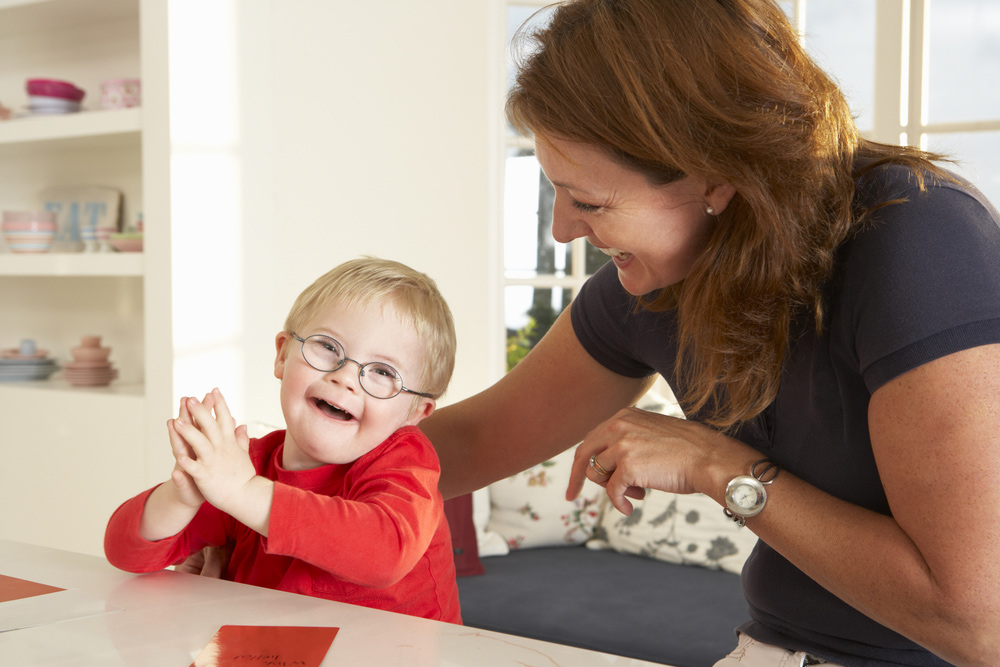
Play is more than fun—it can be a vital part of learning to communicate. Speech therapy often uses toys, games, and structured play sessions as opportunities to develop early skills. Through play, children can practise turn-taking, making choices, and exploring sounds comfortably.
- Play sessions may include singing, using puppets, or simple games like peek-a-boo.
- Toys that repeat sounds or actions can help children anticipate and respond.
- Caregivers can embed these playful strategies at home, creating consistent opportunities for practice.
By weaving communication into play, therapy can create small, meaningful steps toward expression.
Encouraging Non-Verbal Communication Skills
For many children with autism, communication goes beyond spoken words. Gestures, visuals, and facial expressions are important in daily interactions. Speech therapy recognises these strengths and helps children use them more confidently.
- Picture cards or communication boards may give children ways to request items.
- Gestures like pointing, clapping, or waving can be practised during songs and routines.
- Visual expressions, such as showing a “happy” or “sad” face card, may support emotional awareness.
These tools do not replace speech but create a pathway for children to share their needs and connect with others.
Using Visual Supports to Build Language Understanding
Children on the spectrum may respond well to visuals that make language concrete. Speech and language therapy often integrates supports that reduce uncertainty and guide interaction.
- Picture Exchange Communication Systems (PECS) may allow children to trade a card for an item.
- Visual timetables can prepare children for school, home, and therapy transitions.
- Illustrated stories can help children follow events in sequence, improving comprehension.
For parents and educators, these strategies make communication more predictable and manageable during daily routines.
Supporting Social Interaction in Safe Environments
Learning to communicate socially can feel daunting for children with autism. Speech therapy may focus on gradual steps that encourage interaction without overwhelming the child.
- Role-play activities can help children practise greetings or asking for help.
- Group sessions may encourage children to share toys, listen, and take turns.
- Predictable scripts can guide common scenarios like snack time or classroom activities.
These structured opportunities give children practice in environments that balance familiarity with challenge, supporting growth in comfort and confidence.
Bridging Home & School with Caregiver Involvement
Families and educators are central to the success of speech and language therapy. What happens in therapy sessions is only part of the story—implementing strategies into daily life often makes the difference.
- Parents may learn ways to pause during routines, creating chances for children to respond.
- Teachers might adapt classroom visuals to match those used in therapy.
- Shared communication logs can help therapists, parents, and educators track progress together.
This collaborative approach allows strategies to be reinforced across different settings, building consistency for the child.
Introducing Alternative & Augmentative Communication (AAC)
For children whose spoken language develops more gradually, alternative and augmentative communication (AAC) can provide another way to participate in conversations.
- Low-tech AAC includes gestures, sign language, and simple picture boards.
- Mid-tech AAC might use single-message buttons with recorded phrases.
- High-tech AAC involves tablets or speech-generating devices with multiple options.
These tools give children a “voice” when words are hard to access, reducing frustration and opening opportunities to share ideas, feelings, and choices.
Working Alongside Other Specialists
Speech therapy is often part of a larger support system. A child psychologist may be involved in addressing areas such as emotional regulation, trauma history, or behavioural concerns. Barbara Kapser, our child psychologist, contributes insights that complement speech therapy approaches.
Collaboration between speech pathologists and psychologists may focus on:
- Supporting a child’s ability to manage transitions and routines.
- Aligning strategies for attention, focus, and communication.
- Understanding behaviour patterns that influence interaction.
By combining expertise, children may receive support for communication and overall development.
Building Confidence for Everyday Communication
At the heart of speech and language therapy is building confidence in communication—whether through words, gestures, or alternative systems. Celebrating small milestones can motivate children and families to keep going.
- Rehearsing short, predictable phrases may create a sense of success.
- Encouraging any attempt at interaction—verbal or non-verbal—reinforces progress.
- Caregivers and educators can model patience, creating a safe space for children to try.
Repeated over time, these moments contribute to a child’s growing sense of being understood.
Practical Tips for Families at Home
Therapy does not stop once a session ends. The most meaningful progress often comes from weaving small, repeatable strategies into everyday routines at home. Families and caregivers play a vital role by creating opportunities for communication in moments that naturally occur throughout the day.
- Use consistent phrases during regular activities like meals or bath time.
- Offer choices with clear visuals, allowing children to indicate preferences.
- Pause after asking a question, giving the child extra time to respond.
By embedding these strategies into everyday life, parents and caregivers help maintain progress between therapy sessions.
Find Out How Speech Therapy in Darwin Can Support Everyday Routines
At Stepping Stones in Life Therapy Service, we provide speech and language therapy in Darwin designed to support children with autism in their communication journey. Our team works with families, educators, and, where relevant, specialists such as child psychologist Barbara Kapser, to develop strategies that can be used at home and in learning environments.
Get in touch with us via our contact page to discuss your child’s needs and explore how speech and language therapy may support communication growth.
Author

Barbara Kapser
Barbara Kapser is our psychologist at Stepping Stones in Life Therapy Service in Darwin. She's a member with the Australian Psychological Society and the Australian Association for Infant Mental Health.
She specialises in perinatal infant mental health, attachment disorders, developmental trauma and behaviour support.