


From the bright lights of holiday parades to the lively celebrations of community festivals, these events can be both exciting and challenging for families. For children who receive occupational therapy in Darwin, large gatherings often mean a mix of sensory experiences – some enjoyable, others overwhelming. With the right preparation and understanding, it’s possible to make these moments positive and manageable.
This guide shares practical, compassionate strategies from occupational therapists and professionals, including child psychologist Barbara Kapser. By combining simple preparation steps with therapeutic insight, families can help their children experience community celebrations with greater confidence and comfort.
Start with the Senses: Recognising What Helps and What Hinders
Every child processes sensory input differently. Some love the music, movement and colours of an event, while others find the same sounds and crowds overwhelming. Understanding these preferences is the first step in creating a plan that supports comfort and calm.
- Observe your child’s reactions to sounds, lights, textures and movement during everyday activities.
- Ask your occupational therapist for guidance on identifying sensory triggers and supports.
- Discuss strategies with a child psychologist, such as Barbara Kapser, if emotional regulation or anxiety also play a role.
Creating a simple sensory profile helps families prepare for specific challenges and make choices that allow their child to feel included without distress. These insights aren’t just useful for event planning – they also inform therapeutic approaches. During occupational therapy sessions, these patterns help professionals design activities that gradually build tolerance and awareness, creating consistency between home and therapy.
Plan for Comfort – Not Just Attendance
Attending a celebration isn’t about lasting the longest or seeing everything – it’s about enjoying the experience in a way that feels safe and manageable. Preparation that centres around your child’s needs can make a big difference.
- Pack familiar snacks and drinks that provide comfort and energy.
- Choose clothing made from soft, breathable fabrics and avoid itchy materials or tags.
- Bring a small, familiar item from home, such as a fidget tool or comfort toy.
These simple adjustments align with the principles of occupational therapy services, which aim to help children navigate everyday environments with confidence and self-awareness.
Timing Matters: Smaller Crowds, Smoother Experiences
When it comes to sensory-friendly planning, timing is key. A quieter morning session or weekday event might be far more enjoyable than a late-night or high-traffic celebration.
- Arrive early or choose shorter visits to avoid fatigue and overstimulation.
- Plan quiet breaks between activities to give your child time to reset.
- Pick events that allow flexible entry and easy exits.
Occupational therapists often highlight pacing and gradual exposure as important tools for children learning to manage sensory input. A flexible approach helps build tolerance over time without pressure.
Create a Sensory-Friendly Kit Before You Go
A small, personalised sensory kit can make outings smoother and more predictable. It doesn’t need to be complicated – just practical and familiar.
- Include noise-reducing headphones or ear defenders to soften sounds.
- Add sunglasses or a hat to reduce visual glare and brightness.
- Pack chewy or crunchy snacks and a small drink bottle for regulation.
- Include any fidget or comfort tools your child already uses in therapy.
Families can consult their child psychologist or occupational therapist in Darwin to identify which items best support their child’s sensory needs across different settings.
Prepare for Surprises with Calm Exit Plans
Even the best-prepared family can face unexpected moments. Having a calm exit strategy helps children feel safe and in control if the environment becomes too stimulating.
- Identify quiet spaces or shaded areas ahead of time.
- Create a family signal for taking a break – such as touching a wrist or showing a card.
- Practise leaving calmly and slowly, without rushing or scolding.
These steps mirror the co-regulation and communication strategies often used in OT and psychology, allowing children to participate in events while maintaining emotional stability.
Make It Visual: Maps, Countdowns and Clear Choices
Visuals can reduce uncertainty and build predictability, especially in busy or unfamiliar places. A simple plan helps children understand what’s happening and when.
- Create a visual schedule showing key parts of the day – arrival, one activity, snack, and home.
- Mark rest areas, toilets and quiet spaces on a printed map.
- Offer clear choices throughout the event, such as “Watch the fireworks” or “Find a snack spot”.
This approach supports autonomy and helps prevent sensory overload by breaking the day into manageable steps.
Practise Before the Big Day
Familiarity can ease stress and build excitement in a healthy way. A mini-rehearsal helps your child know what to expect and gives you a chance to test supports before the event.
- Take a short walk near the event space or look at photos online.
- Listen to music that will be played at the festival.
- Try out noise-reducing headphones or other tools in a calm setting first.
Short, positive practice sessions – guided by input from an OT – can help transform uncertainty into curiosity, making real events feel more manageable.
Reflect and Reset After the Event
Reflection helps children (and parents) understand what worked, what felt difficult and what could change next time. It turns each outing into a gentle learning experience rather than a stressful one.
- Talk about favourite moments and note any challenges.
- Record which strategies helped and which didn’t.
- Use familiar calming activities afterwards, such as a bath, reading or quiet play.
Many families find that this reflective approach aligns closely with the methods used in occupational therapy, celebrating small wins while building emotional resilience over time. Discussing these reflections with your occupational therapist in Darwin can also help tailor future support to suit your child’s ongoing growth and comfort.
Occupational Therapy in Darwin – Supporting Families Every Step of the Way
At Stepping Stones Therapy, we support families as they prepare for community events through compassionate, sensory-aware approaches. Our team helps children develop self-regulation, emotional awareness and confidence across home, school and social settings. Our team also includes child psychologist Barbara Kapser, who helps us provide a consistent and supportive framework tailored to each child’s individual needs.
Our goal is to empower families with practical tools and understanding to make everyday experiences – from holidays to community events – more enjoyable and less stressful. Get in touch with us today to learn more.
Author
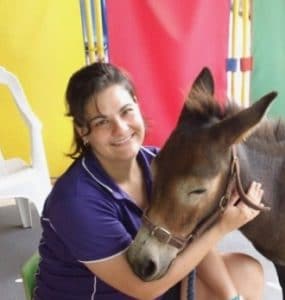
Barbara Kapser
Barbara Kapser is our psychologist at Stepping Stones in Life Therapy Service in Darwin. She's a member with the Australian Psychological Society and the Australian Association for Infant Mental Health.
She specialises in perinatal infant mental health, attachment disorders, developmental trauma and behaviour support.