


Family changes like divorce or separation can bring about a period of significant emotional upheaval for children. What might seem like logistical or adult-centred adjustments can ripple deeply into a child’s sense of safety, routine, and identity. Parents navigating these transitions often notice their child becoming more withdrawn, acting out, or asking questions they’re not sure how to answer. In these moments, support from a child psychologist can play a meaningful role in helping families move forward with clarity and compassion.
Working alongside a child psychologist—such as Barbara Kapser—can support a child’s emotional adjustment, provide tailored coping strategies, and create space for healthy processing. Below are several ways therapy can support children during these complex times.
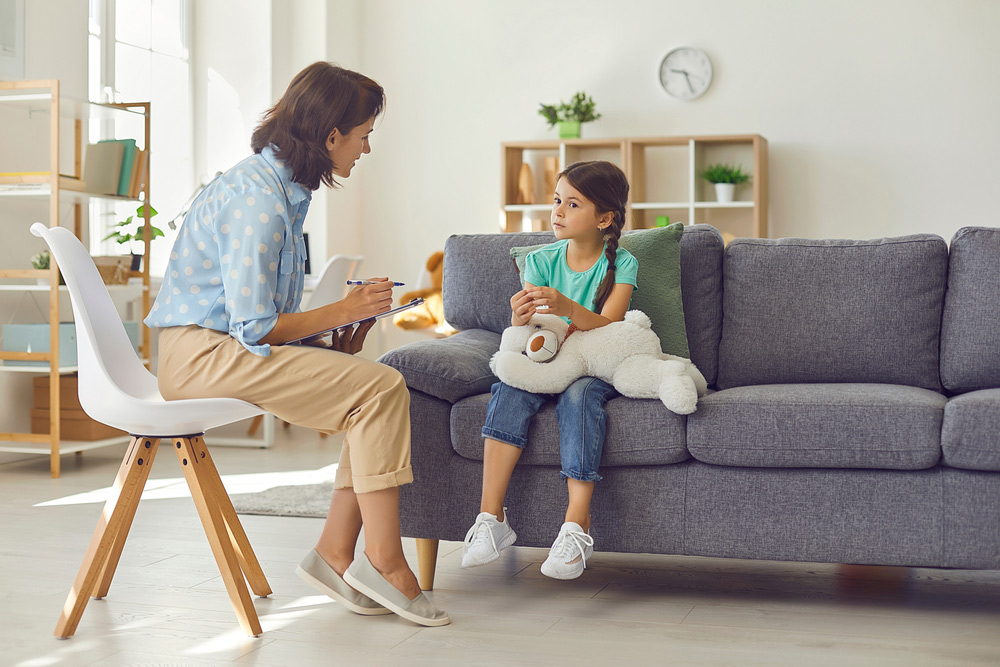
Understanding a Child’s World During Family Change
When families separate or restructure, children may interpret these events very differently from adults. Therapy can help illuminate what children are thinking and feeling, which may not always be expressed clearly.
- Children often internalise family conflict, mistakenly blaming themselves.
- Young children may regress in behaviour—thumb sucking, bedwetting, or tantrums.
- Older children may act out, withdraw, or show changes in school performance.
- Therapy provides a neutral space for children to speak without fear of “taking sides”.
A child psychologist like Barbara Kapser can help children find language for emotions they might not yet understand.
Supporting Emotional Expression Without Judgment
Children may feel unsafe sharing their thoughts for fear of hurting a parent’s feelings. In therapy, they are encouraged to express what they feel without being labelled “wrong” or “difficult”.
- Drawing, storytelling, or play are often used to uncover inner experiences.
- Talking about emotions helps children realise it’s okay to feel more than one thing at once—sadness, relief, confusion, even anger.
- A child psychologist listens without judgment and helps children understand their reactions.
Barbara Kapser creates a space where feelings are heard and validated, which can be particularly helpful when a child feels caught in the middle.
Reducing Anxiety Through Predictable Routines
When family life changes, familiar routines may fall away—causing anxiety in children who rely on structure to feel safe. Therapy can help restore predictability in ways appropriate to each child’s situation.
- Keeping mealtimes, bedtimes, and school drop-offs consistent across households.
- Using visual schedules or family calendars to help children know what to expect.
- Encouraging rituals like a bedtime story or a weekly call with the other parent.
Child psychologists often work with both children and their caregivers to build stable routines, even when broader life changes are ongoing.
Developing Age Appropriate Coping Strategies
Children need different types of support depending on their age and development. What works for a teenager may be confusing for a preschooler.
- Younger children may benefit from tactile calming tools like fidget toys or soft objects.
- Primary-age children can learn to use journaling, drawing, or physical activity to release stress.
- Teenagers may benefit from guided breathing, music, or collaborative problem-solving.
- Parents can be coached to support these strategies at home, reinforcing consistency.
Barbara Kapser works with families to develop personalised approaches that fit naturally into the child’s everyday life.
Fostering Open Family Communication Post Separation
When communication breaks down between parents, children often feel unsure about what they can say, to whom, and when. Therapy offers a model of communication that is calm, respectful, and centred around the child’s needs.
- Using “I” statements can help children share without blaming others.
- Avoiding adult-level conflict talk in front of children is essential.
- Parents may learn how to answer tough questions in a developmentally appropriate way.
Child psychologists like Barbara Kapser guide families toward healthy communication that supports—not confuses—the child’s emotional world.
Helping Children Navigate Loyalty Conflicts
When families undergo separation or divorce, children can feel caught in an emotional crossfire, particularly when they sense tension between parents. This inner conflict—wanting to remain loyal to both parents while managing their own emotions—can be confusing and emotionally draining. In some cases, children may feel responsible for maintaining harmony or may worry about upsetting one parent by showing affection for the other.
- Children may say different things to each parent, trying to keep the peace.
- They might hide their feelings to protect a parent from feeling sad or left out.
- Therapy can help children explore their love for both parents without shame.
Barbara Kapser supports children in understanding that it’s okay to care deeply for both parents, even if the family structure has changed.
Encouraging Emotional Safety in Both Homes
For children splitting time between households, predictability and acceptance in each space are vital to feeling secure. A child psychologist may work with parents separately to promote this.
- Keeping familiar items like a favourite toy or blanket in both homes.
- Allowing space for the child to speak positively about the other parent.
- Agreeing on shared boundaries like screen time, bedtime, and meals.
Even small gestures of consistency can signal to a child that both homes are safe places to be themselves.
Monitoring Emotional Well Being Over Time
Children’s reactions to changes in family life can evolve gradually. A child who appears quiet at first may show signs of frustration or sadness months later. Ongoing observation can help identify shifts in behaviour and guide adjustments to the type of support provided.
- Noticing patterns of sleep disturbance, emotional withdrawal, or defiance.
- Checking in gently during transitions between homes.
- Observing changes in friendships or school engagement.
Barbara Kapser continues to work alongside children and parents to monitor the effectiveness of strategies and determine when new approaches may be needed.
Support Your Child’s Emotional Health with Stepping Stones Therapy
At Stepping Stones in Life Therapy Service, we understand how delicate family transitions can be, especially for children. Through compassionate and collaborative care, our team is here to support you and your child every step of the way. Barbara Kapser, a dedicated child psychologist in Darwin, works with families to help children manage emotions, develop resilience, and navigate change.
If your child is adjusting to separation, divorce, or other family changes, we’re here to help. Get in touch via our contact page or give us a call to book a consultation with our psychology and counselling team.
Author

Barbara Kapser
Barbara Kapser is our psychologist at Stepping Stones in Life Therapy Service in Darwin. She's a member with the Australian Psychological Society and the Australian Association for Infant Mental Health.
She specialises in perinatal infant mental health, attachment disorders, developmental trauma and behaviour support.