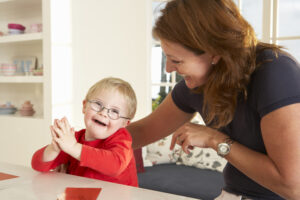


With insights that support families working alongside a child psychologist like Barbara Kapser.
Watching a toddler grow and learn to communicate is one of the most meaningful parts of early parenting. From first sounds to simple words, each step can feel exciting and reassuring. When speech does not develop as expected, however, many parents begin to feel uncertain. Questions arise about whether the delay is temporary, whether the child will catch up on their own or whether professional support is needed. These concerns are common and shared by many families navigating the early years.
This guide is designed to support parents who are worried about delayed speech. It explains what speech delay is, how common it can be in toddlers and when it may be time to seek help through speech therapy Darwin families trust, often alongside guidance from a child psychologist such as Barbara Kapser.

What Speech Delay Looks Like in the Early Years
Speech delay refers to a situation where a child develops speech and language skills at a slower pace than typically expected for their age. Every child grows differently, yet there are general milestones that help parents and professionals understand whether development is progressing steadily. A delay does not automatically indicate a long-term issue, but it does signal that closer attention may be helpful.
Speech delay can affect how a child understands language, how they express themselves or both. Some children may understand much more than they can say, while others struggle with both listening and speaking.
Common features of speech delay may include:
- Limited use of words compared to peers
- Difficulty combining sounds or words
- Reliance on gestures rather than speech
Support from a speech therapist near me or a child psychologist, like Barbara Kapser or me, can help clarify what is happening and what steps to take next.
How Common Is Speech Delay in Toddlers?
Speech delay is more common than many parents realise. Early childhood is a period of rapid development and variations in communication skills are normal. Some toddlers speak early while others take more time to build confidence with sounds and words. For many families, concerns arise between the ages of one and three when expectations around talking increase.
While some children naturally catch up, others benefit from early support to strengthen their communication foundation. Understanding how common speech delay is can help parents feel less isolated and more confident about seeking advice.
Speech delay may be influenced by factors such as:
- Family history of communication difficulties
- Limited exposure to language
- Hearing or developmental differences
A speech therapy assessment, sometimes coordinated with a child psychologist like Barbara Kapser, helps determine whether intervention would be beneficial.
Early Signs Parents Often Notice at Home
Parents are usually the first to notice when something does not feel quite right. Early signs of speech delay can appear subtly and may be easy to overlook at first. Recognising these indicators allows families to act early and access support before frustration or confidence issues develop.
It is important to remember that noticing a sign does not mean something is wrong. It simply means your child may benefit from extra guidance.
Signs parents often observe include:
- Few or no words by expected ages
- Difficulty copying sounds or words
- Limited response to spoken instructions
Discussing these observations with a speech therapist near me or a child psychologist such as Barbara Kapser can provide reassurance and clear direction.
Understanding the Difference Between Late Talking and Delay
Some toddlers are described as late talkers, meaning they start speaking later than average but eventually catch up without formal intervention. Others experience a true delay that continues without support. The difference is not always obvious and cannot be determined by a single milestone alone.
Late talkers often show strong understanding of language and use gestures effectively, while children with ongoing delays may struggle across several areas of communication. This distinction is why professional assessment plays such an important role.
Factors professionals consider include:
- Understanding of language
- Use of gestures and eye contact
- Interaction and play skills
Speech therapy Darwin services often work alongside child psychologists like Barbara Kapser to assess development holistically and recommend appropriate support.
Why Early Support Makes a Difference
Early childhood is a critical time for building communication skills. When speech delay is identified early, targeted support can help children develop the skills they need to express themselves more confidently. Early intervention focuses on strengthening foundational abilities rather than correcting problems later.
Support is often play-based and tailored to the child’s interests, making it engaging and positive. Parents are also guided on how to support communication at home through everyday interactions.
Benefits of early support include:
- Improved confidence and engagement
- Reduced frustration for the child and family
- Stronger foundations for learning and social interaction
Working with a speech therapist near me and, where appropriate, a child psychologist such as Barbara Kapser can provide a well-rounded approach to development.
When Parents Should Consider Seeking Professional Help
Many parents wonder when concern becomes reason enough to seek professional advice. Trusting your instincts is important. If you feel unsure or worried, seeking guidance can offer clarity and peace of mind.
There are certain situations where support is particularly recommended, especially if progress feels stalled over time rather than slowly improving.
Parents may consider seeking help if:
- Speech has not progressed for several months
- The child becomes frustrated when trying to communicate
- Understanding of language also seems limited
Speech therapy Darwin services provide assessments that help parents understand whether support is needed and what form it may take, often with input from a child psychologist like Barbara Kapser.
How Speech Therapy Supports Toddlers and Families
Speech therapy focuses on helping children develop communication skills in a way that suits their age and personality. Sessions are typically play-based, interactive and designed to feel natural rather than clinical. The therapist works with the child while also supporting parents with strategies they can use every day.
Therapy may focus on sounds, words, understanding language or social communication, depending on the child’s needs. Progress is monitored over time and goals are adjusted as skills develop.
Speech therapy support may include:
- Activities that encourage sound and word use
- Strategies for building understanding and expression
- Guidance for parents to support learning at home
Collaboration with a child psychologist like Barbara Kapser can also help address emotional or behavioural factors that influence communication.
Taking the First Step With Confidence
Feeling concerned about your child’s speech can be overwhelming, but you are not alone. Many families face similar questions during the toddler years and seeking guidance is a positive step forward. Early conversations with professionals help clarify what is happening and provide a clear path ahead.
Accessing speech therapy Darwin families rely on gives parents the reassurance that their child’s development is being supported thoughtfully. When combined with insights from a child psychologist such as Barbara Kapser, families can feel confident they are addressing both communication and emotional wellbeing.
Supporting Your Child’s Communication Journey
We at Stepping Stones Therapy understand how worrying it can feel when your toddler is not meeting expected speech milestones. Families in Darwin often face unique challenges and early support can make a meaningful difference. If you are concerned about your child’s communication development, our team can guide you through assessment and therapy options tailored to your family. Visit https://steppingstonestherapy.com.au/ to learn more about speech therapy services or to connect with a speech therapist near me who can support your child’s journey with care and understanding.
Author
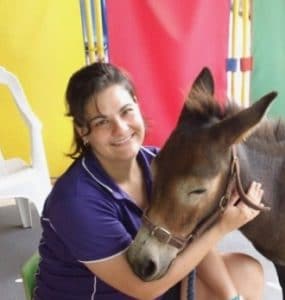
Barbara Kapser
Barbara Kapser is our psychologist at Stepping Stones in Life Therapy Service in Darwin. She's a member with the Australian Psychological Society and the Australian Association for Infant Mental Health.
She specialises in perinatal infant mental health, attachment disorders, developmental trauma and behaviour support.