


Have you ever found it difficult to understand what your child is feeling, especially when they can’t quite put their emotions into words? For many children, particularly those in early developmental stages, expressing complex thoughts or emotions through spoken language alone may not come easily. Play therapy, used within expressive arts psychotherapy, provides a gentle and accessible way for children to explore feelings and communicate through movement, storytelling, drawing, and imaginative play.
In this blog, we’ll explore how play therapy works as a core part of expressive arts psychotherapy in Darwin, the role of a child psychologist, and how practitioners like Barbara Kapser support children as they navigate emotional and social challenges.
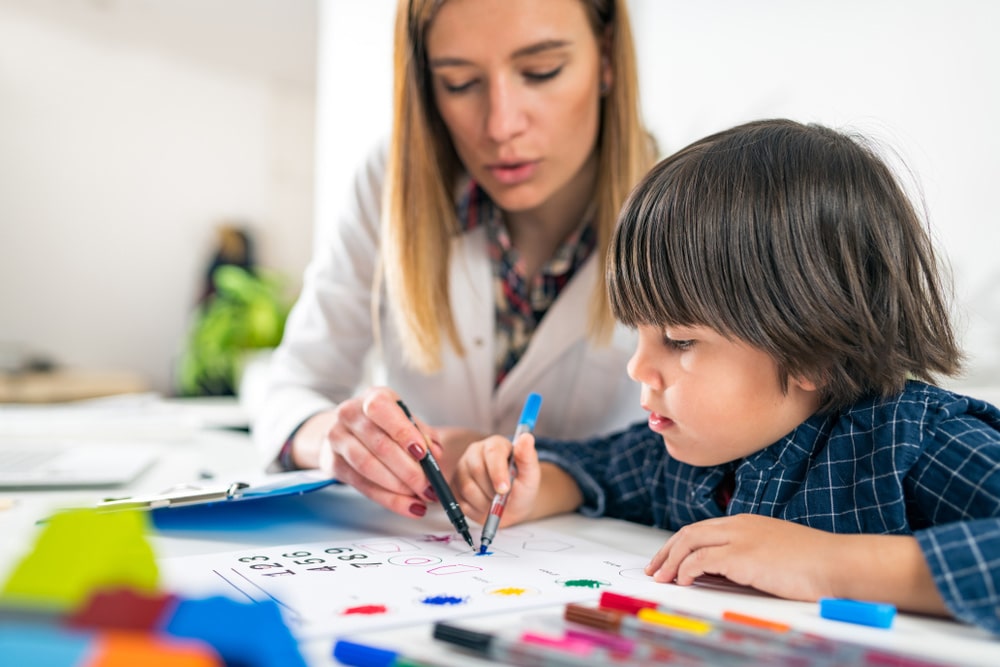
What Is Play Therapy?
Play therapy is a therapeutic approach that uses play as a primary form of communication between the child and the therapist. Rather than focusing solely on verbal expression, play therapy allows children to use toys, symbols, and creative expression to process their thoughts, feelings, and experiences in a way that feels natural and non-threatening.
Play therapy can take various forms, including:
- Sand tray play
- Role play and storytelling
- Drawing, painting, or sculpting
- Puppet play or miniature figures
- Movement or sensory-based activities
Through these activities, the child psychologist observes patterns, choices, and emotional cues that may offer insight into a child’s internal world—something that may not emerge in traditional talk therapy settings.
How Play Therapy Supports Emotional Development
Children often experience emotions intensely, but they may not have the vocabulary or perspective to name or manage them. Play therapy creates a structured yet flexible environment where emotions can be externalised and explored safely.
This approach may support emotional development by:
- Allowing children to express anger, sadness or confusion through symbolic play.
- Helping them identify and understand different emotions.
- Supporting the development of empathy, self-regulation, and problem-solving skills.
- Reducing emotional distress that may result from trauma, anxiety or change.
A trained child psychologist facilitates this process, gently guiding the child while interpreting play in a therapeutic context. In Darwin, practitioners such as Barbara Kapser incorporate expressive arts psychotherapy to create tailored sessions based on each child’s emotional and developmental needs.
The Role of Expressive Arts in Play-Based Therapy
Expressive arts psychotherapy integrates various forms of creative expression—such as drawing, movement, music, and visual art—into the therapeutic process. This method aligns closely with play therapy, as both rely on non-verbal communication and symbolic representation.
In practice, expressive arts can:
- Support children in exploring their identity and experiences.
- Allow for the expression of feelings that may be too overwhelming or unclear to speak about.
- Provide sensory outlets that are calming and grounding.
- Encourage self-reflection and build confidence through creative choices.
By combining the structure of psychotherapy with the freedom of creative exploration, expressive arts psychotherapy in Darwin offers a flexible framework for supporting a child’s mental and emotional well-being.
When Play Therapy May Be Helpful
Play therapy and expressive arts psychotherapy may be helpful for a range of emotional, behavioural, or developmental concerns. These approaches are suitable for children aged three and older, and may also be used with adolescents depending on individual preferences and needs.
Play therapy may support children experiencing:
- Anxiety, stress, or phobias
- Emotional dysregulation or frequent outbursts
- Difficulties related to family changes or separation
- Social withdrawal or low self-esteem
- Grief, loss or trauma
- Attention or concentration challenges
- Communication difficulties
Parents who notice shifts in behaviour, school engagement, sleep, or mood may consider speaking with a child psychologist to explore therapeutic options.
The Role of the Child Psychologist
A child psychologist trained in play therapy and expressive arts psychotherapy creates a supportive space where children feel comfortable and safe. Their role is not to interpret play in a fixed or diagnostic way, but to follow the child’s lead and respond with empathy, curiosity, and clinical insight.
Barbara Kapser, who offers expressive arts psychotherapy in Darwin, brings a depth of knowledge in child development, behaviour and emotional regulation. Sessions are adapted to suit the individual needs of each child, with the goal of fostering emotional awareness, resilience, and communication.
In many cases, child psychologists also work closely with families, sharing observations and offering guidance to support consistency across home and school settings.
How Parents Can Support the Process
Therapy is often most beneficial when parents are actively involved in their child’s journey. This doesn’t necessarily mean being present in the room, but it can involve:
- Communicating openly with the therapist about concerns and changes.
- Encouraging the child’s creative expression at home through art, storytelling or play.
- Being patient with the therapeutic process and recognising that change may take time.
- Creating a home environment where feelings are acknowledged and discussed respectfully.
Therapists often provide parents with feedback, strategies, and support between sessions, helping to reinforce therapeutic goals in everyday life.
What to Expect in a Session
A typical play therapy session lasts between 45 minutes to an hour. Each session is tailored to the child’s age, developmental level, and presenting concerns. The room is usually equipped with a variety of materials that encourage exploration and creativity—such as art supplies, toys, and sensory items.
Sessions may include:
- Free play to build trust and rapport.
- Guided activities focused on specific emotional or social goals.
- Reflection time with the therapist to support self-awareness.
Over time, patterns in play may shift to reflect changes in emotional expression, problem-solving skills, or self-regulation. While each child progresses at their own pace, consistency in attendance and support from caregivers can contribute positively to the outcomes.
Contact Us to Learn More About Expressive Arts Therapy for Children in Darwin
At Stepping Stones in Life Therapy Service, we offer expressive arts psychotherapy in Darwin to support children in navigating emotions, building resilience and developing communication in ways that feel safe and natural. Our approach is led by Barbara Kapser, a child psychologist who integrates play-based and creative therapies tailored to the unique needs of each child. If you’re considering supportive therapies for your child’s emotional well-being, we welcome you to reach out to discuss how our services may assist.
Author

Barbara Kapser
Barbara Kapser is our psychologist at Stepping Stones in Life Therapy Service in Darwin. She's a member with the Australian Psychological Society and the Australian Association for Infant Mental Health.
She specialises in perinatal infant mental health, attachment disorders, developmental trauma and behaviour support.